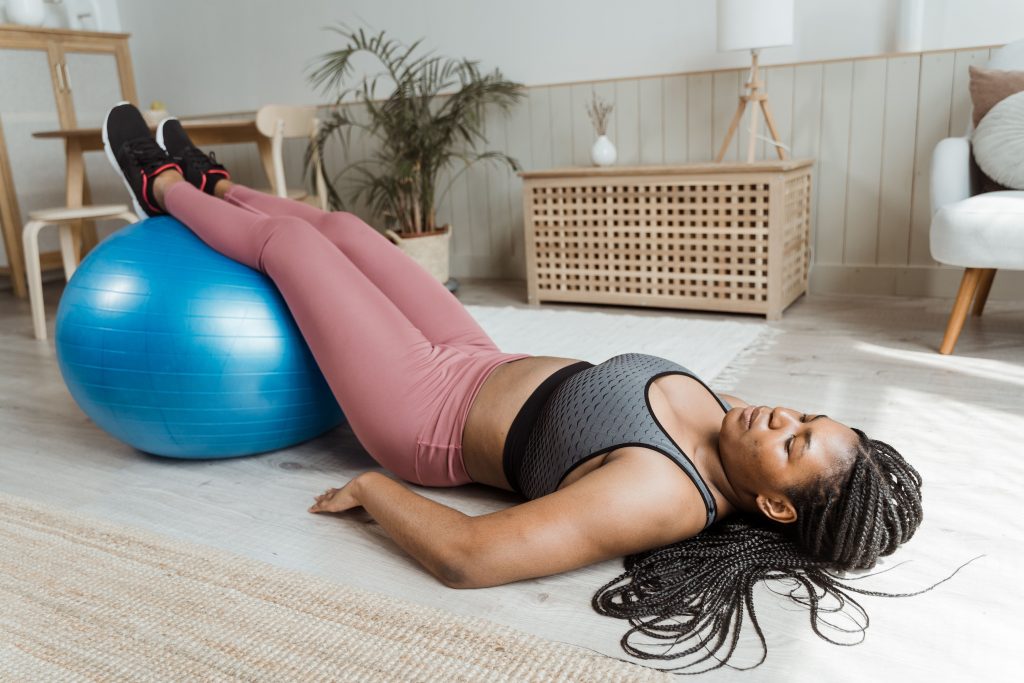

How Exercise Reduces Anxiety
Anxiety can make even ordinary days feel exhausting. Your mind keeps running through possibilities, your body feels tense, and relaxing can seem almost impossible. While exercise may not solve every source of anxiety, moving your body regularly can be a surprisingly effective way to support a calmer mind.
The good news? You do not need to spend hours in the gym. A walk, a short workout, yoga, cycling, or even a few minutes of stretching can be a useful starting point.
1. Exercise Helps Your Body Release Tension
Anxiety is not just something you experience mentally. It can also show up physically through muscle tension, restlessness, a racing heart, or feeling constantly “on edge.”
Exercise gives your body an outlet for some of that built-up energy. As you move, your muscles work, your breathing changes, and your attention shifts toward what your body is doing.
That change can make it easier to step away from anxious thoughts, even if only for a little while.
2. It Can Help Break the Overthinking Cycle
One of the hardest parts of anxiety is getting stuck inside your own thoughts.
A simple workout can interrupt that pattern. Instead of constantly thinking about what happened yesterday or what might happen tomorrow, you have something immediate to focus on: your breathing, your pace, your movement, or the music you’re listening to.
This doesn’t mean exercise makes anxious thoughts disappear. Rather, it can create a mental break from them.
3. Regular Movement Supports Better Sleep
Poor sleep and anxiety can easily become a cycle. You feel anxious, sleep becomes difficult, and the lack of sleep can leave you feeling even more overwhelmed the next day.
Regular physical activity can support healthier sleep patterns, which may make it easier to manage everyday stress and emotional ups and downs.
If you’re looking for other practical ways to support your wellbeing, building a consistent sleep routine can also be helpful.
4. Exercise Can Improve Your Mood
Physical activity affects several processes in the brain and body involved in mood and stress regulation. Research has found that exercise can reduce anxiety symptoms across different groups, although the size of the benefit can vary between people and types of exercise.
Even better, you don’t necessarily need intense workouts. Walking, aerobic exercise, strength training, yoga, and other forms of movement can all contribute to mental wellbeing.
5. It Builds a Sense of Control
Anxiety can sometimes make life feel unpredictable. Having one small thing you can control, such as taking a 20-minute walk every evening, can create structure in your day.
Over time, consistently showing up for yourself can also build confidence. You’re not trying to become perfectly fit overnight. You’re simply creating a habit that tells your mind and body, “I can take care of myself.”
For more ideas, explore these simple stress management techniques.
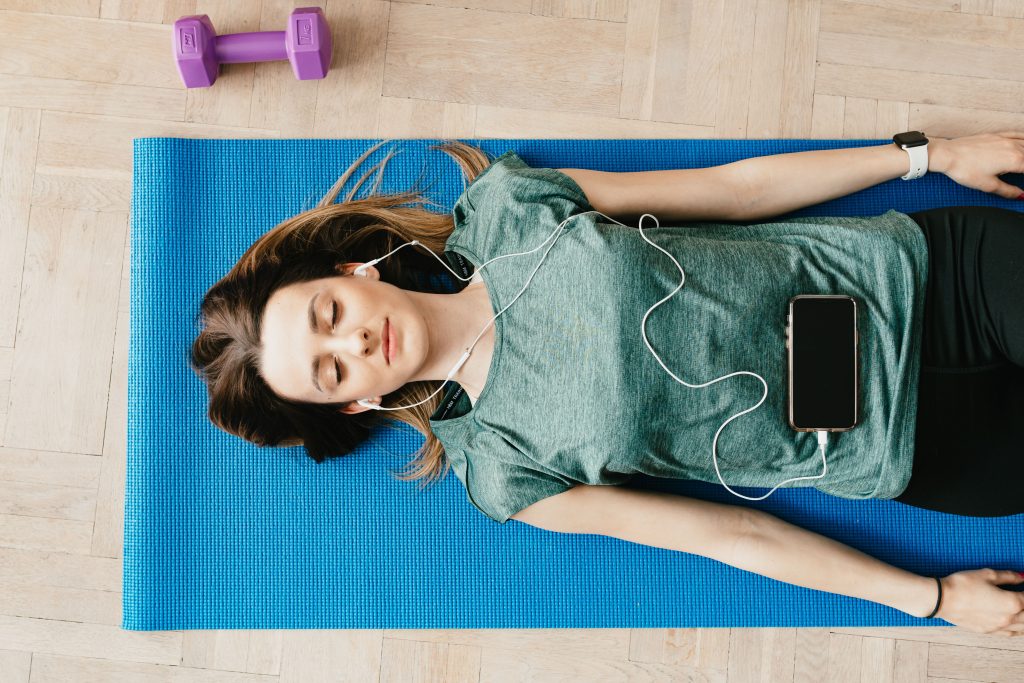
What Exercise Should You Try?
There is no single exercise that works for everyone. The best option is often something you actually enjoy and can continue doing.
Try:
- A 20 to 30-minute walk
- Cycling
- Light jogging
- Strength training
- Yoga or stretching
- Dancing
- Swimming
- A short home workout
Start small. Even 10 minutes of movement can be a better starting point than waiting until you have enough time for a perfect workout.
The Bottom Line
Exercise isn’t a magic cure for anxiety, but it can be a valuable part of a broader approach to mental wellbeing. The World Health Organization recommends structured physical exercise as an option for adults with generalized anxiety disorder or panic disorder, while noting that the evidence is still limited in certainty.
The goal isn’t to exercise until you’re exhausted. It’s to move consistently, find something you enjoy, and give your mind a healthy opportunity to reset.
Sometimes, feeling a little better can start with simply getting up and moving.
This article is for general informational purposes and is not a substitute for professional mental health care. If anxiety is persistent, severe, or interfering with daily life, consider speaking with a qualified healthcare professional.