
Walk into any health store or scroll through social media and you will find supplements promising more energy, better sleep, stronger muscles, improved immunity, and better overall health. With so many options available, it is easy to wonder: Do I actually need supplements?
The answer is not the same for everyone. Supplements are designed to add nutrients to your diet, not replace a varied diet. Whether you need one depends on your diet, lifestyle, nutritional needs, and individual circumstances.
What Exactly Are Supplements?
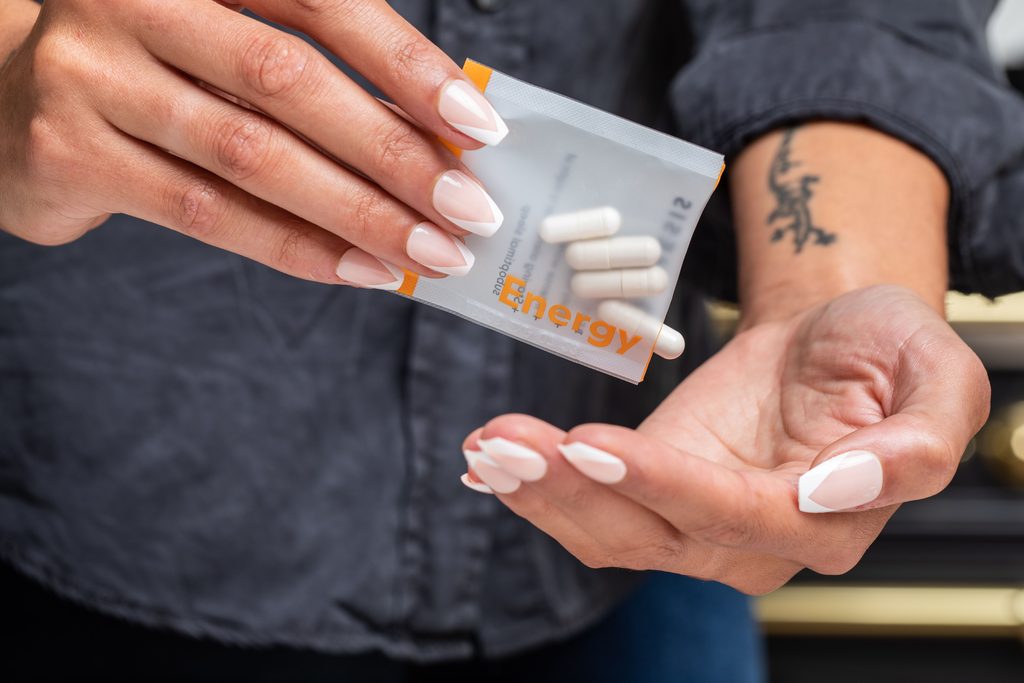
Dietary supplements include products such as vitamins, minerals, herbs, amino acids, probiotics, and other nutritional ingredients. They can come as tablets, capsules, powders, gummies, liquids, and other forms.
Their purpose is to supplement your diet. That makes them different from medicines designed to diagnose, treat, or prevent specific diseases.
When Might You Need a Supplement?
Some people may benefit from supplements when their regular diet does not provide enough of a particular nutrient.
This can happen because of dietary restrictions, limited food choices, certain life stages, or specific nutritional needs. In some situations, a healthcare professional may recommend a particular supplement based on your individual needs.
For example, someone with a confirmed nutrient deficiency may need supplementation as part of an appropriate plan.
The important point is that more is not automatically better. Taking a supplement simply because it is popular may not provide any meaningful benefit if you already get enough of that nutrient.

Food Should Come First
Supplements can be useful, but they should not become a substitute for nutritious food.
A varied diet provides a combination of nutrients and other components that work together. Building meals around vegetables, fruits, whole grains, protein sources, and other nutritious foods is a better foundation than relying on a collection of pills.
Think of supplements as a possible addition to your routine, rather than the foundation of it.
You can learn more about healthy eating habits and how to build a balanced eating pattern before deciding whether supplementation is necessary.
Be Careful With Big Promises
If a supplement promises to completely transform your health, burn fat effortlessly, or provide a quick solution to a complicated problem, take a step back.
The FDA does not approve dietary supplements for safety and effectiveness before they reach the market in the same way it approves drugs. Manufacturers are responsible for meeting applicable requirements, while FDA oversight can include monitoring products and taking action when problems are identified.
That is one reason it is worth looking beyond advertising claims and checking reliable information about an ingredient.
Supplements Can Interact With Medicines
Natural does not automatically mean risk-free.
Some supplements can interact with prescription or over-the-counter medicines, interfere with laboratory tests, or cause unwanted effects. Combining several supplements can also increase your exposure to certain ingredients.
If you take medication, have an ongoing health condition, are pregnant or breastfeeding, or are considering supplements for a child, talk with a doctor, pharmacist, or another qualified healthcare professional first.
Ask Yourself These Questions
Before buying a new supplement, consider:
- Am I getting enough of this nutrient from food?
- Why do I think I need it?
- Is there reliable evidence supporting its use?
- Could it interact with a medicine I take?
- Am I already taking another product containing the same ingredient?
- Have I discussed it with a healthcare professional?
These simple questions can help you make a more informed decision.
The Bottom Line
So, do you need supplements?
Maybe, but not necessarily.
For some people, supplementation can be useful for meeting specific nutritional needs. For others, spending money on supplements may not be necessary when their diet already provides what they need.
Instead of adding another bottle to your shelf because of a social media trend, start by looking at your overall diet and lifestyle. If you have a genuine nutritional concern, get personalized advice rather than guessing.
Good health is rarely about finding one magic capsule. It is usually built through consistent habits, nutritious food, regular movement, quality sleep, and informed decisions.