

Eating well does not have to mean following a complicated meal plan, preparing elaborate recipes every day, or spending hours in the kitchen. For many people, the real challenge is simply figuring out what to eat and when to prepare it.
A simple meal routine can take away much of that daily guesswork. Instead of deciding what to cook every few hours, you can create a flexible structure that works around your schedule, preferences, and budget.
Why a Meal Routine Helps
When meals are planned ahead, it becomes easier to shop for what you actually need, reduce food waste, and avoid relying on last-minute food choices. Planning a few meals in advance can also make busy weekdays much less stressful.
The key is to create a routine that is simple enough to maintain.
You do not need to plan every single bite of the week.
Start With Three Main Meals
A simple routine can begin with three basic meal windows:
Breakfast: Something filling and easy to prepare
Lunch: A balanced meal that keeps you going through the afternoon
Dinner: A satisfying meal that does not require complicated preparation
You can add snacks if you need them based on your hunger and daily routine.
For example:
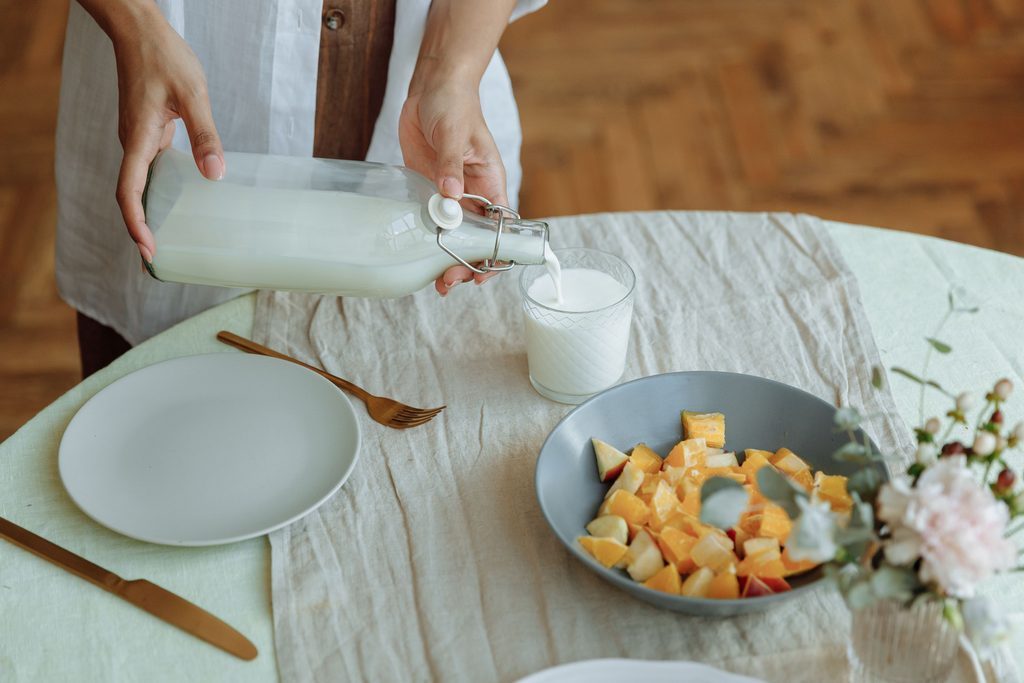
Breakfast: Oatmeal with fruit and yogurt
Lunch: Rice or whole grain bread with vegetables and a protein source
Snack: Fruit, yogurt, or a handful of nuts
Dinner: Vegetables with chicken, tofu, beans, eggs, or another preferred protein
The exact foods can change. The structure is what makes the routine easier.
Build Meals Around a Few Basic Ingredients
You do not need a completely different grocery list for every recipe.
Choose a few ingredients that can work across multiple meals. For example, cooked vegetables, rice, eggs, beans, chicken, yogurt, oats, and fresh fruit can be combined in different ways throughout the week.
This approach can save preparation time and make your grocery shopping more predictable. Planning ingredients that can be reused across several meals is also a practical way to reduce waste.
Keep a Few Easy Options Ready
Busy days are inevitable, so your meal routine should have a backup plan.
Keep some convenient foods available, such as:
- Frozen vegetables
- Eggs
- Oats
- Rice or other grains
- Beans or lentils
- Yogurt
- Fresh or frozen fruit
- Nuts and seeds
- Whole grain bread
Having flexible ingredients at home means you can put together a meal without starting completely from scratch. Frozen and shelf stable foods can also be useful additions to a practical meal routine.
Try the Cook Once, Use Twice Method
You do not necessarily have to cook every meal separately.
Prepare a larger portion of a few basic foods and use them in different meals. For example, roasted vegetables from dinner can become part of tomorrow’s lunch. Cooked rice can be paired with vegetables and beans one day and used as a side dish another day.
This does not mean eating exactly the same meal every day. Changing sauces, spices, vegetables, or protein can make the same basic ingredients feel completely different.
Make a Simple Weekly Plan
Spend 10 to 15 minutes before the week begins deciding what you are likely to eat.
You could write down:
Monday: Rice bowl
Tuesday: Pasta and vegetables
Wednesday: Eggs, toast and salad
Thursday: Leftover bowl
Friday: Homemade wraps
Then create your shopping list based on that plan.
You can keep weekends more flexible so your routine does not feel restrictive.
Do Not Aim for Perfect Meals
A meal routine should make life easier, not create another source of stress.
Some days you may cook from scratch. Other days you may have leftovers or prepare something in 10 minutes. That is completely fine.
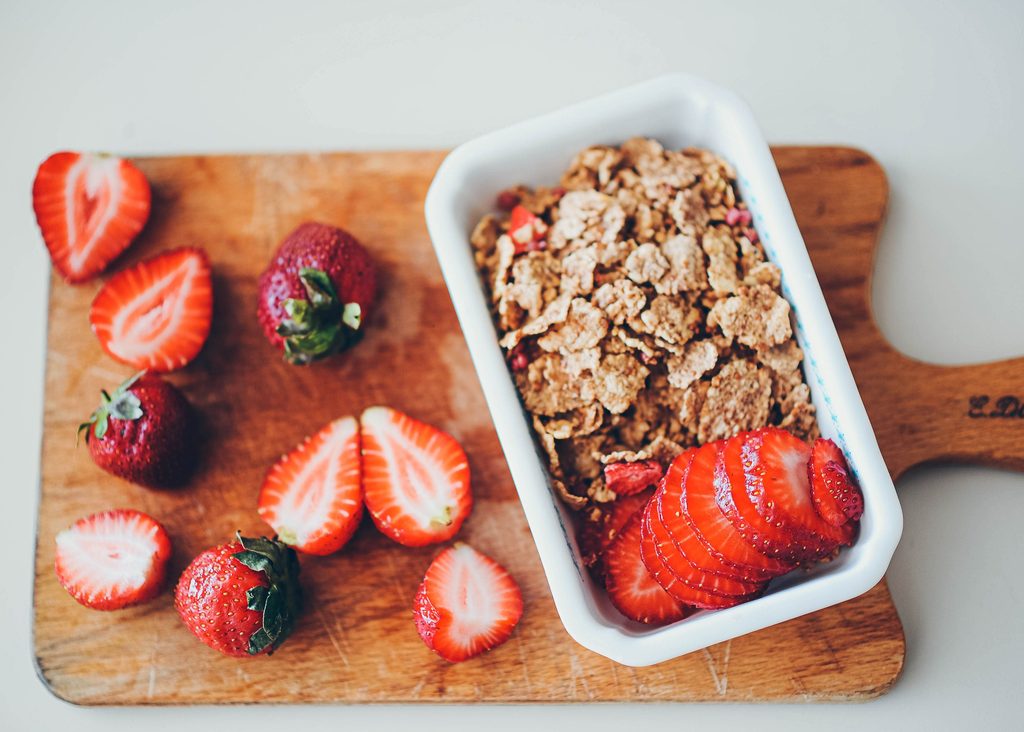
Focus on regularly including a variety of foods such as fruits, vegetables, grains, protein foods, and dairy or suitable alternatives.
The goal is consistency, not perfection.
Final Thoughts
Building a simple meal routine is really about reducing daily decisions.
Choose a few reliable breakfasts, lunches, and dinners. Keep versatile ingredients available, prepare some foods ahead of time, and leave enough flexibility for unexpected days.
Once your routine becomes familiar, healthy eating can feel less like a daily task and more like something that naturally fits into your lifestyle.