
Protein is everywhere in the fitness and nutrition world. From protein shakes and bars to high protein meals, it can sometimes feel like you need a complicated plan to get enough.
The reality is much simpler. Protein is a basic nutrient that can come from many everyday foods, and building a protein friendly diet does not require expensive products or complicated recipes.
Why Does Your Body Need Protein?
Protein is made up of amino acids that your body uses to build and maintain tissues and perform many other functions. Your body also continually breaks down and rebuilds proteins as part of normal processes.
That is why protein is an important part of a balanced diet, whether you exercise regularly or simply want to maintain a nutritious eating routine.
How Much Protein Do You Need?
There is no single number that works for everyone.
Protein needs can vary based on factors such as age, body size, activity level, and life stage. For healthy adults, the commonly established dietary reference value is around 0.8 grams of protein per kilogram of body weight per day.
People who are very physically active or have specific nutritional needs may require different amounts. If you have a medical condition or particular dietary concern, a qualified healthcare professional or registered dietitian can help determine what is appropriate for you.
Where Can You Get Protein?
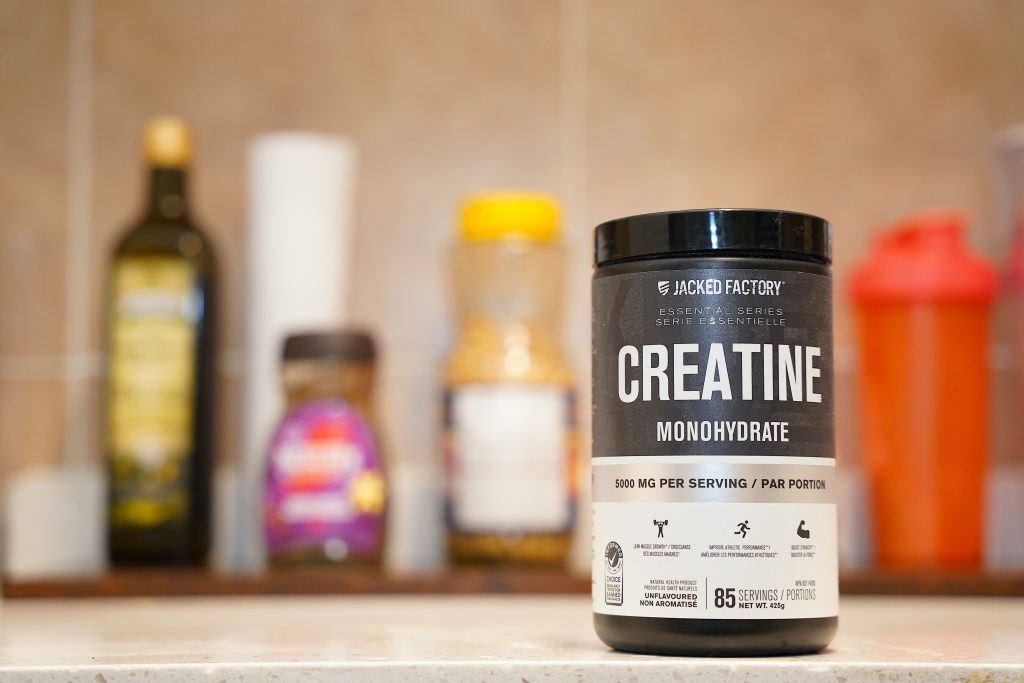
You do not need to rely on protein powder to include more protein in your diet.
Common protein rich foods include:
- Eggs
- Chicken and lean meats
- Fish and seafood
- Milk and yogurt
- Beans and lentils
- Soy foods
- Nuts and seeds
Plant based foods can also make a meaningful contribution to your protein intake. USDA guidance recommends varying your protein choices and includes seafood, beans, peas, lentils, nuts, seeds, soy products, eggs, meat, and poultry among protein food options.
You can explore more ideas for healthy eating and build meals around foods you already enjoy.
Make Protein Part of Your Meals
Instead of worrying about hitting a perfect number every day, try adding a protein source to your regular meals.
For breakfast, you could have eggs with toast or yogurt with fruit and nuts.
For lunch, add beans, chicken, fish, tofu, or another protein source to your meal.
At dinner, combine your preferred protein with vegetables and grains or other carbohydrates.
This simple approach can make protein feel like a normal part of eating rather than another nutritional task.
Do You Need Protein Powder?
Not necessarily.
Protein powders can be convenient, particularly for people who struggle to get enough protein from food or need something quick after a busy day. However, they are not essential for everyone.
Whole foods can provide protein alongside other nutrients, making them a useful foundation for your diet.
Think of protein powder as a convenience option, not a requirement.
What About High Protein Diets?
More protein is not automatically better.
Your diet needs a balance of different nutrients, including carbohydrates, fats, vitamins, minerals, and protein. USDA guidance encourages eating a variety of fruits, vegetables, grains, protein foods, and dairy or fortified alternatives.
Rather than focusing on one nutrient, look at your overall eating pattern.

Keep It Simple
You do not need to calculate every gram of protein or completely change your diet overnight.
Start with one simple habit: include a protein source in your main meals.
Choose foods you enjoy, vary your choices throughout the week, and adjust your routine based on your individual needs.
Protein does not have to be complicated. It can simply be another part of a balanced, enjoyable meal.
Final Thoughts
Protein is important, but eating well is about more than one nutrient.
Build meals around a variety of foods, choose protein sources you enjoy, and focus on consistency rather than perfection.
Keep your meals simple, your choices varied, and let your nutrition work for your lifestyle.