

Strength training can sound intimidating if you have never lifted weights before. You might imagine crowded gyms, heavy dumbbells, and complicated workout routines. In reality, strength training can be surprisingly simple.
You can train at home, use your body weight, work with resistance bands, or gradually introduce weights. The goal is to challenge your muscles in a controlled way and build strength over time.
What Is Strength Training?
Strength training is any activity that makes your muscles work against resistance. That resistance can come from weights, resistance bands, machines, or even your own body weight. (cdc.gov)
Simple exercises such as squats, push-ups, lunges, and planks can all be part of a beginner routine.
You do not need to lift the heaviest weight available. Starting with the right movement and gradually progressing is more important.
Why Should Beginners Try Strength Training?
Building strength can make everyday activities feel easier, from carrying groceries to climbing stairs.
Regular muscle-strengthening activity can help maintain or increase muscle strength and mass. It is also an important part of an overall active lifestyle. (cdc.gov)
Strength training can also complement activities such as walking, cycling, or other forms of cardio.
Start With the Basics
If you are new to strength training, begin with movements that target different parts of your body.
A simple beginner routine could include:
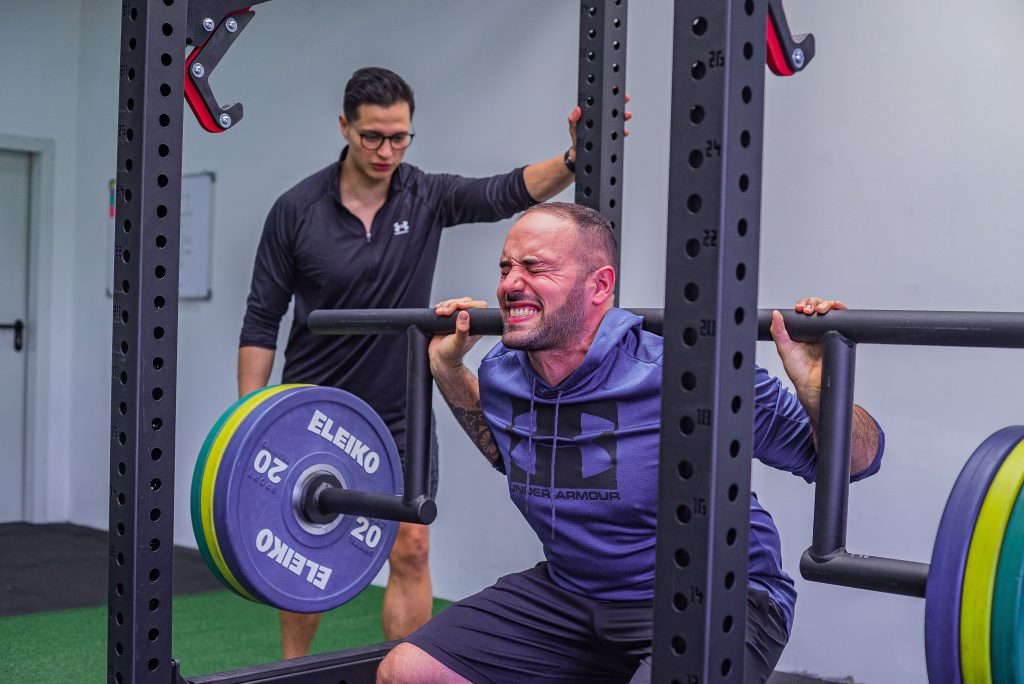
- Squats for your legs and hips
- Wall or modified push-ups for your chest, shoulders, and arms
- Glute bridges for your hips and lower body
- Rows with a resistance band for your back
- Planks for your core
Focus on performing each movement with control rather than rushing through repetitions.

How Often Should You Train?
For general health, adults are recommended to include muscle-strengthening activities on at least two days each week, working all major muscle groups. (cdc.gov)
You do not have to train every day.
For beginners, two well-planned sessions can be a practical starting point. Give your body time to adapt, especially if you are not accustomed to resistance exercise.
How Many Repetitions Should You Do?
There is no single number that works for everyone.
A common starting point is 8 to 12 repetitions of an exercise for one set. As you become more comfortable, you can gradually add another set or increase the resistance. (cdc.gov)
The final repetitions should feel challenging while still allowing you to maintain good form.
You Do Not Need Heavy Weights
Your body can provide plenty of resistance when you are starting out.
Try:
Beginner: Wall push-ups and chair-assisted squats
Next step: Regular push-ups and bodyweight squats
Progression: Resistance bands or light dumbbells
As exercises become easier, gradually increasing resistance or repetitions can help you continue progressing.
Focus on Form Before Weight
One of the biggest mistakes beginners make is worrying about how much they can lift.
Instead, learn the movement first.
Keep your movements controlled, avoid rushing, and choose a resistance level that allows you to maintain proper technique. If an exercise causes pain rather than normal muscle effort, stop and reassess it.
If you have a chronic health condition, an injury, or are unsure what type of exercise is appropriate for you, speak with a healthcare professional before starting or significantly increasing your training. (cdc.gov)
Make Strength Training a Habit
The best routine is one you can actually stick with.
Pick two days that fit naturally into your week. Keep your first sessions short and focus on a handful of exercises rather than trying to do everything at once.
You can also combine strength training with regular physical activity, such as walking or cycling.
Over time, those small sessions can become a consistent part of your lifestyle.
Final Thoughts
Strength training does not have to be complicated or intimidating.
Start with basic movements, learn good form, train consistently, and gradually make your workouts more challenging. You do not need a gym full of equipment to get started.
Start where you are, build slowly, and let your strength grow with you.