

You do not need a gym membership, expensive equipment, or a complicated workout plan to become more active. Sometimes, all you need is a comfortable pair of shoes and a little time.
Walking is one of the easiest ways for beginners to introduce more movement into their day. It can fit into almost any routine and can be adjusted to your fitness level. Regular physical activity can support heart health, sleep, mood, and overall well-being.
Why Walking Is a Good Place to Start
If you have been inactive for a while, jumping straight into intense exercise may feel overwhelming. Walking allows you to start at a comfortable pace and gradually build your endurance.
You can walk outdoors, around your neighborhood, at a park, on a treadmill, or even inside a shopping mall when the weather is not cooperating.
The best part? You can start small.
How Long Should Beginners Walk?
There is no need to start with a long walk.
Try 10 to 15 minutes at a comfortable pace. Once that feels easy, gradually increase the duration or pace.
For general health, adults are encouraged to work toward at least 150 minutes of moderate intensity physical activity each week. Brisk walking can count toward this goal. You can divide those minutes across the week rather than completing them all at once.
If you are starting from very little activity, simply walking regularly is a great first step.

Start With a Comfortable Pace
Your first walks should not leave you completely exhausted.
Begin with a few minutes at an easy pace. Once your body feels warmed up, gradually increase your speed if comfortable.
A brisk walk generally means you are breathing harder and your heart rate has increased, but you can still talk. Your appropriate pace will depend on your current fitness and health.
Make Walking More Enjoyable
Walking does not have to feel like another chore.
Try:
- Listening to music or a podcast
- Walking with a friend
- Exploring a different neighborhood
- Taking a walk after dinner
- Walking while talking on the phone
- Choosing a scenic park or outdoor route
Finding a time and place you genuinely enjoy can make it easier to stay consistent. The CDC also recommends starting with activities and locations that you enjoy.
A Simple Beginner Walking Plan
Here is an easy starting point:
Week 1: 10 to 15 minutes, 4 days
Week 2: 15 to 20 minutes, 4 days
Week 3: 20 minutes, 5 days
Week 4: 25 to 30 minutes, 5 days
You do not have to follow this exact schedule. If a particular week feels difficult, stay at that level until you feel comfortable.
The goal is progress, not perfection.
Pay Attention to Your Body
Wear comfortable footwear and choose a safe route. Give yourself a few minutes to slow down at the end of your walk instead of stopping suddenly after a faster pace.
If you experience unusual pain, dizziness, chest discomfort, or difficulty breathing, stop exercising and seek appropriate medical advice.
People with chronic health conditions or concerns about increasing their activity should speak with a healthcare professional about what is appropriate for them.
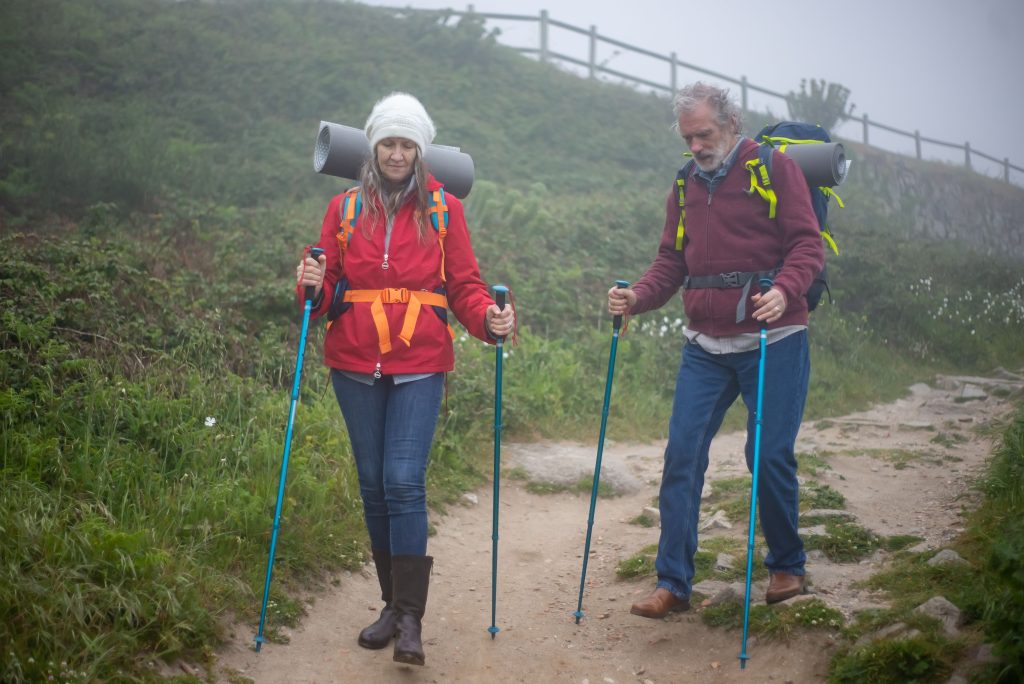
Turn Walking Into a Habit
The easiest way to make walking part of your lifestyle is to connect it with something you already do.
Walk after breakfast. Take a short walk during your lunch break. Walk after dinner while catching up with a friend.
You can also break your activity into smaller periods throughout the day. Some physical activity is better than none, and gradually increasing your movement can help you work toward recommended activity levels.
Final Thoughts
Walking may seem simple, but that is exactly what makes it such a practical starting point.
You do not need to walk perfectly or reach a specific step count on your first day. Put on your shoes, step outside, and start with what feels manageable.
A short walk today can be the beginning of a much more active routine tomorrow.